dcdubai

Blog

Your blog category

Social Media Marketing for Small Businesses: Strategy, Cost & ROI Measurement

What is Fashion Marketing: Definition, Strategy & Digital Tactics Introduction For small businesses, social media marketing is not an option—it’s mandatory. With more than 4.9 billion users worldwide, platforms like Facebook, Instagram, and TikTok provide access to potential customers who didn’t exist before advertising budgets were allocated.  However, posting randomly will not achieve results. You will need to have a social media marketing strategy, realistic budget expectations, and effective ways of measuring ROI for small business success. Key Takeaways Social media marketing enables small businesses to compete on the same level, without needing a big budget.  A successful social media marketing strategy should include goals, audience knowledge, and tactics specific to the platform in question.  Monthly social media marketing costs may range from AED 2,000 a month to AED 15,000+, depending on whether it is an independent project or managed through an agency. Returns on investment can include the conversion rate, customer acquisition costs, and revenue attribution. However, measuring ROI is increased through multi-channel attribution and time lag issues with certain tools available. What is social media marketing for small businesses? Social media marketing for small businesses uses social media and other forms of media to engage with audiences, create brand awareness, and most importantly, convert for results. Creating a Social Media Plan for Small and Start-Up Businesses. In creating a social media plan, the first step in developing a successful social media strategy for a start-up is having clarity. Set SMART goals that are aligned to (and tied to) business goals – increase brand awareness, web traffic, or leads?  Who do you want to reach, and segment by demographics, interests, and pain points, so that you can communicate relevant content?  Consider each platform as a strategic decision.  Facebook may have the greatest reach for traditional businesses, while Instagram may be a good vehicle for visual storytelling, and LinkedIn may generate B2B leads. Please don’t take on too much at the beginning; narrow it down so that you can focus on the platforms where your target audience is most active. Create a content calendar with a balance of educational content, promotional content, behind-the-scenes content, and user-generated content. Consistency is more valuable than perfection!! Develop a brand voice that showcases who you are and remains consistent across all platforms.  Digit Cure is a results-driven digital marketing agency that works with brands throughout the UAE to build a strong online presence through sophisticated SEO, highly targeted social media marketing, performance-based PPC campaigns, branding, and high-quality website development. Small Business Marketing on Facebook: Recommended Guidelines For small businesses, Facebook remains an economical option compared to other platforms. Establish a professional Facebook Business Page. Consider using Facebook Groups to build a community on Facebook. Boost the reach of high-performing posts. Start advertising with as little as AED 20 per day, using ads that target geo-location and a variety of ad types. Enhance interactions by replying to comments within hours, posting when your audience is most active, and regularly updating your content. Ask a question or run a poll to build relationships and engage your audience.  Costs of Social Media Marketing for Small Businesses If you’re considering social media marketing costs for small businesses, you can realistically plan your budget. Suppose you are managing social media marketing in-house. In that case, you will spend AED 6,500-19,000+, including salaries for the individuals working on social media marketing, any tools they purchase, and the expenses incurred for ads. Agency management ranges from AED 5,000 to AED 18,000+ per month, including expertise and tools. General budgets range as follows: Minimal: AED 2,000–5,000/month (basic management plus a little bit of ad spend)  Moderate: AED 5,000–10,000/month (active management and steady ad spend)  Growth: AED 10,000+/month (full strategy and audacious ad spend) The core costs of tools range from AED 150 to AED 1,300/month for scheduling, design, and analytics platforms. Assessing the ROI of Social Media Marketing Campaigns To calculate your campaign’s ROI: (Revenue generated from Social Media – Cost of Marketing) / Cost of Marketing x 100. You can track conversion rates, customer acquisition cost (CAC), website traffic, engagement rate, and lead generation. The challenges of measuring a campaign’s ROI on social media include multi-channel attribution, a potential gap in time between initial interaction and sale, no established standards across all social media platforms, and quantifying brand awareness.  To resolve these issues, set a clear goal from the beginning, use analytics tools like Google Analytics and Facebook Pixel, modify your campaigns in real-time, and, if feasible, use values for micro-conversion (ex, a download, newsletter sign up, etc). Navigating the Paid Media ROI Challenge Do not ignore essential conversion metrics solely to focus on vanity metrics. Refine attribution models to provide valuable insights into conversions through first-touch, last-touch, or multi-touch scenarios. You can also think broader to include qualitative benefits to value, like brand awareness, customer sentiment, and community building-these help produce long-term value. Leverage Google Analytics 4, Facebook Ads Manager, UTM parameters, or CRM integration for full ROI tracking. Digit Cure is well-versed in the competitive digital landscape of Dubai, helping businesses generate leads, achieve rapid growth, and sustain success through data-driven strategies. Conclusion For small businesses, leveraging social media to market your business is a matter of having an appropriate strategy rather than a large budget. Utilize the SMART goal strategy. Identify and understand your target audience. Identify the platforms that best suit your business interests. Absolutely, provide consistent value in your social media posts when using text, photographic, or video content. Use your budget wisely and make sure you agree to track & monitor your progress and results. Social media ROI has its difficulties. Use tools and techniques to help you track results and improve. Social media is a marathon, not a sprint. Stay consistent, continue learning, and pivot based on the data. Are you ready to increase your social media marketing ROI? Reach out to us at Digit Cure to develop smart strategies that will provide real results that you can measure and optimize. FAQs What

Social Media Marketing for Small Businesses: Strategy, Cost & ROI Measurement Read More »

How to Improve Website Conversion Rate: Landing Page Tips, Speed & CRO Best Practices

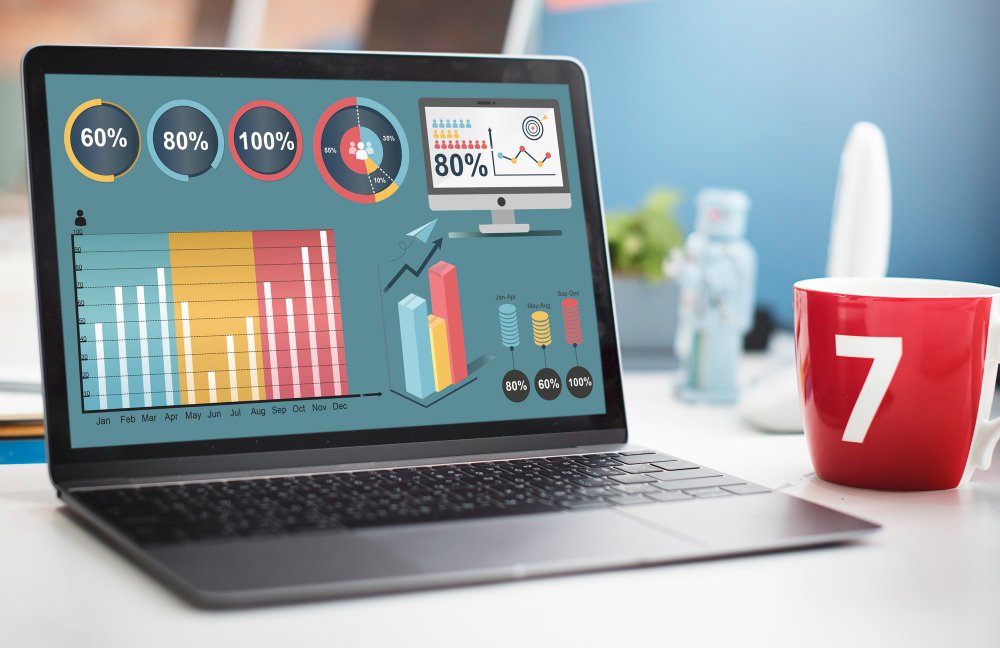
How to Improve Website Conversion Rate: Landing Page Tips, Speed & CRO Best Practices Introduction Your site may have a significant number of visitors and traffic, but do your visitors take an action? Knowing how to improve the website conversion rate is essential in ensuring that all of that traffic turns into something beneficial to your business. If you want to generate leads, sell products, or simply grow your email list, conversion rate optimization (CRO) will help you offer the best opportunity for visitors to convert. In this article, you will find actionable tips on landing pages and speed optimization, and best practices for CRO that have proven to turn your site into a truly conversion powerhouse. Key Takeaways Conversion​‍​‌‍​‍‌​‍​‌‍​‍‌ rate is the most important factor; small changes in your conversion rate can rapidly escalate your business growth. It is important to add effective calls-to-action (CTA) and trust symbols to your landing page in order to enhance the likelihood of visitors converting into customers. The speed of your page, which indicates how quickly it loads, and its responsiveness on mobile devices are two factors that can significantly affect user behaviour and the conversion process. Let me be clear: the only way that you will know what works and does not work is to use a data-driven approach, such as A/B testing and the use of analytics. By simply not allowing your website to load slowly and thereby confusing your visitors, you can instantly double your conversion ​‍​‌‍​‍‌​‍​‌‍​‍‌rate. What is Website Conversion Rate & Why is it Important The conversion rate of your website is simply the number of visitors who complete the desired action from your website. The conversion rate is an easy calculation:  (Conversions ÷ Total Visitors) × 100 = Conversion Rate % For example, if you had 1,000 unique visitors to your page and 50 of those visitors completed the desired action (filling out your contact form), then you would have a 5% conversion rate. A higher conversion rate means a higher ROI as you gain more leads, and then you gain more sales, ultimately resulting in more growth for your business, all while spending the same amount on advertising. Digit Cure is a results-oriented digital marketing agency located in Dubai, assisting businesses in optimizing their digital footprint through strategically aligned CRO, SEO, and performance marketing campaigns aimed at Dubai’s competitive market. Important Basic Guidelines for CRO to Improve Your Conversion Rates Optimization of Your Landing Page Your landing page is where conversions happen. When you want to increase your landing page conversion rate, focus on the basics: Brief and convincing headings: You need a heading that conveys value clearly but aligns with your visitor’s intent.  Strong call-to-action: You want to use action-oriented language (e.g., “Get Your Free Audit”, not “Submit”), contrasting colors, and you want your CTA to have a prominent position.  Trust signals: Use testimonials, client logos, certifications, trust badges, and other expert social proof to build trust with your audience.  Message match: Ensure there is a clear message match between the content of your landing page, ad, or link they clicked to land on the page as well. Eliminate distractions: Remove deviating navigation menus and other diversions that prevent completion of the conversion. Pop-ups are considered distractions and should be avoided, as they draw your visitor away from the conversion. Website Speed and Technical Optimization Page speed directly impacts conversions—47% of users expect pages to load in under 2 seconds. Here’s how to increase conversion rate on the site through technical optimization: Make images smaller and allow browsers to cache them Find a good hosting site; your site won’t be fast if the server response time is slow. Your site should be mobile responsive- the average site has around 60% mobile-based traffic.  You can use sites like Google PageSpeed Insights, GTmetrix, or Pingdom to see what has a positive impact on your site performance. Craft your CRO based on data: A/B testing and analytics. Never assume – test everything. A/B test headlines, CTA buttons, form lengths, and page designs. Use heat maps to see where users click and scroll, and analyze funnel drop-offs to find friction points. Best practices for website conversion always include ongoing testing based on real user behaviour analytics. Psychological Triggers & UX Enhancements Create an urgent feeling for visitors by combining the use of urgency (“Limited spots available”), scarcity (“Only 3 left in stock”), and social proof (“Join 5,000+ happy customers”). Personalization according to the user’s behaviour gives the content a personal touch and thereby, the user’s involvement gets a ​‍​‌‍​‍‌​‍​‌‍​‍‌rise. Typical Conversion Rate Pitfalls To Avoid Slow page load speed: Each second of load time diminishes conversions Confusing or weak CTAs: Visitors should not have to hunt for an action Mobile ​‍​‌‍​‍‌​‍​‌‍​‍‌ Unfriendly: If the design is non-responsive, expect low mobile conversion rates.  Long Forms: Only ask for what you need, and avoid any unnecessary questions.  Trust: Not having reviews and/or a security badge creates a trust gap. Best Practices for Boosting Website Conversions: The Best Tools & Resources Google Analytics & Google Optimize: Compare conversions and test new ideas.  Hotjar or Crazy Egg: See what people are doing on your website using heat maps. Unbounce or Instapage: Build high-converting landing pages. GTmetrix or PageSpeed Insights: Analyze and improve your website loading speed. Conclusion Determining how to improve conversion rates on your site is an ongoing cycle of deliberation, testing, and data-driven refinement. Improving conversion rates can come from small adjustments that yield immediate ROI, such as updating your CTA or optimizing your site’s speed. Get the wheels in motion and try these ideas to increase your conversion rate today, and you’ll see results! Need expert guidance? Digit Cure specializes in CRO, SEO, and comprehensive digital strategies that help UAE businesses scale faster and achieve sustainable growth. Get started with Digit Cure today. FAQs What is your industry’s good site conversion rate? Average site conversion rates will vary between industries, but are generally 2-5% overall. For E-commerce sites, this

How to Improve Website Conversion Rate: Landing Page Tips, Speed & CRO Best Practices Read More »

What is Fashion Marketing: Definition, Strategy & Digital Tactics

What is Fashion Marketing: Definition, Strategy & Digital Tactics Introduction In today’s fashion marketing, several different components are at play. It encompasses runway shows, brand positioning, influencer partnerships, social media, and metrics-based campaigns to help brands connect to the world. This guide covers the basics of fashion marketing, utilizing social media as a tool and presenting new ideas to grow your brand by 2026 Key Takeaways Fashion​‍​‌‍​‍‌​‍​‌‍​‍‌ marketing combines an artist’s skill with tactful brand promotion to soften brand recognition and uplift brand sales. Contemporary​‍​‌‍​‍‌​‍​‌‍​‍‌ fashion labels mainly depend on online channels such as Instagram, TikTok, and email automation. Some of the success elements in the plan are the participation of an influencer, the use of storytelling, and targeting customers by their ​‍​‌‍​‍‌​‍​‌‍​‍‌data. Social networking marketing is the best weapon in the clothing brand’s arsenal for attracting new customers and engaging with existing ones. One can guarantee success in the long term by continuously optimizing via analytics and being ​‍​‌‍​‍‌​‍​‌‍​‍‌trend-responsive. What is fashion marketing? Fashion marketing is a systematic method of promoting clothing brands through creative campaigns, utilization of digital channels, influencer partnerships, and data tactics to increase brand awareness, audience engagement, and sales ​‍​‌‍​‍‌​‍​‌‍​‍‌increase. Key elements: Brand positioning and storytelling Multi-channel digital promotion Influencer and community engagement Visual creative campaigns Customer relationship management The main distinction between the two is that merchandising largely focuses on product selections and pricing, while marketing is mainly about promotion and engagement with the customer. Fashion marketing is about making emotional connections and using creative talents to drive sales through the right ​‍​‌‍​‍‌​‍​‌‍​‍‌promotion. Fashion​‍​‌‍​‍‌​‍​‌‍​‍‌​‍​‌‍​‍‌​‍​‌‍​‍‌ Marketing Benefits Drives Sales: Action calls and tailored suggestions convert the made aware into purchases. Creates​‍​‌‍​‍‌​‍​‌‍​‍‌ Loyalty: One of the main benefits of sharing real and consistent messages by several means is the attraction of new buyers and making repeat purchases. Upgrades the Brand Image: The brand image gets better with the help of influencer partnerships and appealing visual content. Involves Customers: Through interactive campaigns, the brand can get a firm and long-lasting relationship with its customers. Improves Marketing Positioning: Marketing strategies become more efficient by accurate targeting and positioning through data ​‍​‌‍​‍‌​‍​‌‍​‍‌insights. Fashion​‍​‌‍​‍‌​‍​‌‍​‍‌ Marketing Strategy Market Research: Research your competitors, typical consumer behavior, and gaps in the market.  Brand Positioning: Determine the brand’s unique selling point – luxury, eco-friendly, minimalist, etc. – and continually relay that point.  Customer Segmentation: Focus on demographic, psychographic, and behavioral​​ ​‍​‌‍​‍‌​‍​‌‍​‍‌characteristics. Steps​‍​‌‍​‍‌​‍​‌‍​‍‌​‍​‌‍​‍‌​‍​‌‍​‍‌ to Build a Strategy Find the brand from its looks and values. Make the communication that emotionally attracts the customers. Use influencer partnerships for trust and to widen your network. Stories​‍​‌‍​‍‌​‍​‌‍​‍‌ are a powerful tool to connect your brand with the audience on a personal level. Try different campaigns, track the results, and make the necessary ​‍​‌‍​‍‌​‍​‌‍​‍‌​‍​‌‍​‍‌​‍​‌‍​‍changes. Digital​‍​‌‍​‍‌​‍​‌‍​‍‌ Marketing for Fashion Brands SEO: Make sure that product pages are packed with the right keywords, pictures, and user reviews. Social Media: Leverage Instagram for its ​‍​‌‍​‍‌​‍​‌‍​‍‌visuals, Paid Ads: Facebook and Instagram ads deliver very accurate targeting; Google Shopping is great for capturing user intent in the search; Meta Advantage+ is a tool that helps automate the optimization process. Email Automation: Divide customers to offer them personalized promotions. Analytics: Measure conversions, costs, engagement, and ROI to tweak ​‍​‌‍​‍‌​‍​‌‍​‍‌campaigns. Enhance your online presence with Digit Cure’s digital marketing services designed to drive your business growth. From SEO optimization and social media marketing to paid advertising, our team ensures your campaigns deliver measurable results. Marketing a Clothing Brand via Social​‍​‌‍​‍‌​‍​‌‍​‍‌​‍​‌‍​‍‌​‍​‌‍​‍‌​ Media Channels: Leverage Instagram for product photo displaying and Reels; TikTok for short and trendy videos; Pinterest for style boards; LinkedIn for B2B branding. Hashtags: Implement branded, niche, and trend hashtags. Influencers: Work together to produce real content and reach more people.  Engagement: Introduce promoters, hold live sessions, encourage testimonials, and repost user-generated ​‍​‌‍​‍‌​‍​‌‍​‍‌​‍​‌‍​‍‌​‍​‌‍​‍‌content. Fashion​‍​‌‍​‍‌​‍​‌‍​‍‌ Marketing Ideas Fashion Films: Create visually stunning brand videos that connect with the audience emotionally. Pop-Up Events: Social buzz generated by temporary local events. Community-Building:​‍​‌‍​‍‌​‍​‌‍​‍‌ A virtual community focused on fashion and mutual feedback sharing. Loyalty programs: Programs and rewards that mostly benefit regular customers. Affiliates: Creating partnerships with businesses that are not competitive to reach more customers. Sustainability: Promoting and utilizing sustainable materials, resources, and approaches. Diversity: Applying a diverse range of models to reach a larger audience. Case​‍​‌‍​‍‌​‍​‌‍​‍‌ Studies and Examples PlainWhiteTee:​‍​‌‍​‍‌​‍​‌‍​‍‌ A viral campaign for transparency that openly shared the production costs to win consumer trust. Gymshark:​‍​‌‍​‍‌​‍​‌‍​‍‌ Expanded its reach by collaborating with fitness influencers and producing content that attracted the community. Zara: Relies on social listening to be instantly aware of the latest trends and uses targeted Instagram ​‍​‌‍​‍‌​‍​‌‍​‍‌ads. Metrics to Track Engagement (3-6%) Conversion (2-4%) Influencer ROI (aim for 5:1) Lifetime customer value. Difficulties and Trends for the Future Rapid Trends: Keep up with the current trends, but keep your brand’s character so it does not look like you have mass-produced. Competition: Utilize authentic storytelling to create distinction for your brand.  Content saturation: Utilize a creative and engaging format to stay ahead of content saturation. AI and personalization: Use AI to recommend and “try on” virtually.  Immersive tech: Get customers’ attention and engagement by AR fitting rooms and metaverse online stores. Conclusion Fashion marketing focuses on using storytelling alongside data to create brands that are emotionally connected with consumers. The combination of multi-channel digital approaches, including social media, email, and influencers, enables continuous growth.Experiment, measure, and optimize continuously to succeed. Ready to grow? Contact Digit Cure for tailored strategies that transform your brand vision into success. FAQs What​‍​‌‍​‍‌​‍​‌‍​‍‌ is fashion marketing, and why is it necessary? In essence, fashion marketing keeps brands going through awareness campaigns that attract users and, therefore, sales. Namely, it is necessary for the brand to be different and to create an emotional bond. How can I make a fashion marketing plan to promote my brand? A fashion marketing plan requires understanding your brand and the market first. After that, you can check the competitors, clarify your message, choose the right communication ways, get support from an influencer, and then review

What is Fashion Marketing: Definition, Strategy & Digital Tactics Read More »

AI Tools for Digital Marketing: Top Platforms, Use-Cases & Best Practices in 2026

AI Tools for Digital Marketing: Top Platforms, Use-Cases & Best Practices in 2026   The methods of digital marketing have changed dramatically, and the year 2026 can be considered a turning point when marketing and artificial intelligence became one entity. No matter how big or small, companies are using AI-powered solutions for their digital marketing channels to save time, create a tailored experience for the customer, and get tangible outcomes.   Using AI is not simply a passing trend; it is a required step. By using AI-powered marketing tools, companies can now make data-driven choices faster and more accurately than ever before, as they can go from content creation to predictive analytics. Whichever your business might be, a startup or an established enterprise, grasping how to implement AI in marketing efficiently is what can make the difference of your competitive advantage to be of a high level. Understanding the Use of Artificial Intelligence in Marketing Artificial intelligence tools in marketing cover many aspects. Fundamentally, AI goes through huge data sets to find trends, forecast behaviours, and execute monotonous operations automatically. So marketers get to spend more time on strategic thinking and creative work, whereas AI is taking care of the arduous work. AI-powered tools are capable of dividing audiences very accurately, can determine the best usage of the advertising budget on a minute-to-minute basis, create new content ideas, and, in fact, forecast which leads are most probable to convert. The system is always learning and hence, it keeps getting better and better in its suggestions and results. It is this ever-evolving smartness that is the reason why AI tools cannot be done away with in contemporary marketing plans. Top AI Tools for Digital Marketing in 2026 AI Tools for Content Marketing Content is still the main thing, and AI has become its most loyal helper. Marketers are using tools such as Jasper, Copy.ai, and ChatGPT to easily produce whole editorial lines for blogs, social media, and newsletters. These systems rely on natural language processing to produce content that appeals to the target audience and at the same time follow the brand voice. Moreover, AI tools perform content writing and then analyze the same performance, suggest optimization strategies, and identify trending topics that are worth exploring. Such a combination of creation and analysis makes content marketing more efficient and effective. AI Tools for SEO and Analytics SEO is getting more and more complicated; however, AI makes it simple. Surfer SEO, Clearscope, and SEMrush are examples of platforms that utilize AI to comprehend the user’s search intent, suggest keywords, and make content more SEO-friendly to get higher rankings. These instruments can simultaneously scrutinize hundreds of ranking factors and provide actionable insights that would require human efforts for days. Google Analytics 4 and comparable platforms have embedded AI that enables them to foresee user behaviour, figure out conversion opportunities, and detect trends that are not obvious in your data. This prediction skill changes the marketers’ way from being reactive to being proactive. AI Tools for Social Media Marketing Handling several social media accounts necessitates that the user be consistent and creative, which are two things that AI is very good at. The tools, such as Hootsuite Insights, Sprout Social, and Buffer’s AI features, facilitate the scheduling of posts, the analysis of engagement patterns, and the suggestion of the most suitable posting time. With the help of AI, social listening instruments become attentive to the brands that are mentioned and the sentiment that is shown in different platforms, and they give you a signal when a crisis is coming or when you have new opportunities in real-time. There are also some platforms that provide you with the most suitable hashtags and different versions of your captions so that your content can be seen by more people. AI Tools for Email Marketing The email marketing is no longer at the level of batch and blast campaigns. Now AI-powered platforms such as Mailchimp, HubSpot, and ActiveCampaign employ machine learning to personalize subject lines, predict send times, and dynamically segment audiences. In order to optimize the content different segments receive, these tools look at the subscribers’ behaviour. Future campaigns are automatically adjusted by them for better results. The testing of A/B becomes more advanced since AI recognizes the winning variations quicker and uses the learning across campaigns. AI Tools for Paid Ads and Targeting AI is now used in the likes of Google Ads and Meta’s ad manager to optimize bidding strategies, target audiences, and creative elements. By using Adzooma and Revealbot, you can take this a step further by running campaigns on different platforms simultaneously and having them managed by one tool. AI studies the performance of different ads for certain audience segments and changes budgets accordingly so that the campaigns that yield the best results get more funding. This kind of dynamic optimization allows your marketing budget to be more efficient without the need for regular manual work. How to Use AI in Marketing Effectively Firstly, look for repetitive tasks that take up a lot of your time. Those tasks are the best ones to automate by AI. After that, make sure your data structure is strong because AI tools require good data if they are to provide good insights. Involve AI tools slowly, letting your employees gain knowledge and get accustomed. Use one with the other, i.e., the work done by AI is to be followed by the intervention of human creativity and strategic thinking. Keep in mind that the use of AI is to upgrade your marketing activities and not to take over the human parts, which are the basis of genuine relationships with customers. Best Practices for Using AI Tools in Digital Marketing Always keep human control in the loop. Check AI-generated content to ensure it is correct, fits the brand, and is genuine. Have clear goals for each AI tool and check the results against those goals regularly. Put money into training your employees to work with these tools efficiently.

AI Tools for Digital Marketing: Top Platforms, Use-Cases & Best Practices in 2026 Read More »

The Impact of AI and Automation in Social Media Advertising

The Impact of AI and Automation in Social Media Advertising Introduction With over 7 years of experience in digital marketing and advertising technology, we have witnessed the evolution of social media advertising.. The impact of AI and automation in social media advertising has fundamentally changed how businesses reach, engage, and connect with their audiences. Marketers can now precisely target audiences, optimize creative content automatically, and accurately predict campaign performance. This guide will illustrate how AI in social media advertising will revolutionize the scope of the industry and describe practical methods of harnessing these powerful technologies. Key Takeaways AI and automation transformed social media advertising by increasing accuracy in targeting by up to 300%.  Automated tools save 70% of the time spent managing campaigns while improving ROI. AI-enabled ad targeting and predictive analytics mean personalization at an all-new scale.  Leading platforms have begun offering embedded artificial intelligence capabilities that will optimize campaigns while running in real-time. Future developments in generative AI will further transform creative optimization. What is the implication of AI and automation in social media advertisements?  AI and automation improve advertising targeting accuracy by 300%, save 70% of campaign management time, and facilitate real-time optimizations that yield up to 250% better ROI. Some of the key benefits include: Automated audience segmentation and targeting Real-time creative optimization and testing Predictive analytics for campaign performance Personalized ad delivery at scale Reduced manual workload and human error What Is AI & Automation in Social Media Advertising? AI in social media advertising utilizes machine learning algorithms, which analyze user behavior, preferences, and engagement patterns to enhance ad distribution and performance. These AI systems can leverage large datasets to access patterns humans do not readily recognize to target customers and optimize creatives with high precision.  Social media automation tools provide campaign management using automation workflows for bid adjustments, audience targeting, creative tests, and reporting on overall campaign performance. More advanced systems integrate automation tools into the interface of the platform. AI social media tools range from content creation assistance or automated campaigns to AI-driven predictive analytics platforms with appropriate algorithms enabling accuracy in predicting outcomes before the campaign begins. Benefits of AI in Social Media Advertising Personalization at Scale With AI, advertisers can produce infinite personalized ad variations without manual effort—matching the content to each user’s tastes and behaviors. Even an ideal would not make the level of customization developed through an auto campaign management approach. Enhanced Efficiency and ROI AI ad targeting eliminates guesswork by interpreting user signals in real-time. Campaigns self-automate on budget adjustments, bids, and targeting parameters to drive performance. Time-saving and Reduced Manual Work Automated creative optimization oversees A/B testing, creative rotation, and reporting performance from start to finish—predictive analytics in social media frameworks fully forecast mathematical outcomes to make proactive campaign adjustments. Manual Ad Management AI-Powered Management 8-10 hours weekly setup 2-3 hours weekly setup Static targeting parameters Dynamic real-time adjustments Limited A/B testing Continuous optimization Reactive performance analysis Predictive insights 15-20% average CTR improvement 45-60% average CTR improvement AI Social Media Tools & Platforms Meta Advantage+ Best for: Automated campaign optimization across Facebook and Instagram. Pros: Built-in platform integration and real-time budget allocation. Use case: E-commerce brands seeking automated scaling LinkedIn Campaign Manager AI Best for: B2B targeting and lookalike audience creation. Pros: Professional demographic insights, predictive lead scoring. Use case: SaaS companies targeting decision-makers Google Ads Smart Campaigns Best for: Cross-platform social and search integration. Pros: Unified reporting and automated bid strategies. Use case: Multi-channel advertising campaigns Hootsuite Insights Best for: Social media automation tools and analytics. Pros: Comprehensive scheduling, sentiment analysis. Use case: Brand monitoring and content optimization Ad Targeting and Predictive Analytics Using AI AI-powered ad targeting is changing the way advertisers reach potential customers. Machine learning lets algorithms analyze hundreds of user signals–simultaneously–including browsing history, engagement patterns, device behavior, and demographics. Additionally, automated audience segmentation looks for common behavioral similarities to group potential customers, rather than general demographic segments. Those things allow Facebook’s Advantage+ audiences to target users who are least likely to convert and LinkedIn’s AI recommendations to suggest optimal targeting parameters. Predictive analytics social media platforms help evaluate campaign performance before activation. They consider different aspects, including historical data, seasonal trends, and competitor landscape factors, to forecast campaign performance metrics, such as click-through rates, conversion rates, and cost-per-acquisition. For example, a fashion retailer using Meta’s AI targeting had a 340% increase in ROAS by allowing the algorithm to find high-value customers within lookalike audiences and adjusting bids automatically based on signals of intent to purchase. Automated creative optimization for social ads Automated creative optimization changes how marketers test and optimize ad creative altogether. AI systems automate headline variations, test image combinations, and optimize CTA buttons in real-time based on audience responses. Meta’s automated creative testing takes the automation one step further, running ads simultaneously while allocating the budget for the best-performing ads. Automated creative testing includes AI for headlines, descriptions, images, and videos simultaneously, with thousands of possible variations. It identifies the winning creative elements in 24-48 hours.  Dynamic product ads pool all inventory data in real-time to generate personalized product recommendations for individual users, updating the creative elements based on user browsing history, purchase behavior, and inventory levels. Step-by-Step Guide: Starting an AI-Powered Social Ad Campaign Step 1: Goals and Audience Using AI Tools. Define the goals of your campaign and turn on AI-powered audience recommendations. Use what the platform suggests for lookalike audiences and targeting by interests. Step 2: Create and Input Creative assets. Upload multiple creative variations (images, videos, headlines, descriptions) to enable automated testing and optimization. Step 3: Turn on AI Features for Targeting and Optimization. Switch on the automated bidding, placement optimization, and audience expansion features. Broadly target an audience to let AI optimize. Step 4: Analyze Analytics and Optimize Based on Learnings. Look at the AI recommendations, and use them to inform change based on insights. Die the median and the mean. Step 5: Review, Report, and Implement Learnings. Review the automated reports for patterns

The Impact of AI and Automation in Social Media Advertising Read More »

Creative Content Ideas for Engaging Social Media Ads: The Ultimate  Guide

Creative Content Ideas for Engaging Social Media Ads: The Ultimate Guide Introduction There are currently 4.8 billion social media users globally, so you will fight to stand out unless you use more than basic promo content. Creative social media ad content is now the defining factor between campaigns that convert and ones that get scrolled past in seconds. This guide will take you through creating a scroll-stopping ad with proven method techniques, including brand storytelling ads, carousel ad ideas, and influencer collaboration ads. You will also learn actionable strategies, templates, and insights to help you improve your social media ads. Key Takeaways Creative social media advertisements create engagement in 3x higher numbers than generic posts.  User-generated content advertisements gain trust, as measured by a whopping 79% higher click-through rates.  Brand storytelling advertisements help establish emotional connections that boost conversions by up to 40%.  Creative video marketing kills the game in terms of both platform algorithms and user attention span. Strategic use of carousel ad ideas and social media ad templates streamlines campaign creation What are the best practical creative content ideas for social media ads that drive engagement? Creative ads that perform the best consist of meaningful storytelling, user-generated content, interactive formats (like carousel ads), and native short-form video on the platform that speaks to your audience’s pain points and desires. Key components are: Authentic user-generated content ads that build trust Story-driven narratives using brand storytelling ads Interactive carousel ad ideas for showcasing multiple products Short-form creative video marketing optimized for each platform What Are Creative Social Media Ads? Creative social media ad content is advertising content that extends beyond mere advertising of a product or service through innovative storytelling, engaging uses of interactivity, and authentic users of the product or service. Creativity captures audiences’ attention through vibrant visuals, relatable or emergent storytelling, and effective or creative use of the native features of social media platforms. Effective and creative ad content contains these essential elements: Visual storytelling utilizing high-quality images and video+ Formats that are native to the social media platform (i.e., Stories, Reels, carousel ad concepts) Messaging that is authentic to your ideal customer. Interactive elements encouraging user participation Successful examples of creative marketing strategies include creative video marketing that tells micro-stories, user-generated content ads capturing real customer experiences or real-life scenarios, and brand storytelling ads that use emotion to connect the audience to the brand experience, showcasing products organically. Benefits of Creative Ad Content Higher Engagement Levels: Studies suggest that creative social media advertisement content receives engagement levels that are 67% higher than a standard promotional post. People are more likely to comment, like, and/or share fun or informative content. Benefits from Algorithms: Social media algorithms reward content that keeps people engaged. Since creative video marketing and interactive carousel ad ideas increase engagement, they are often rewarded with greater organic reach. Higher Conversion Results: Brand storytelling ads create emotional connections that encourage purchasing behaviors. Studies show that emotionally connected customers have a 306% greater lifetime value.  Stronger Brand Tone: Creative content helps establish a unique brand voice and visual presence, making it easier for people to remember your business in markets with lots of competition. Building a Strong Content Strategy For creative social media ad content to be successful, it needs to involve some planning around your core content pillars: Educational Content: Value-added how-to guides, tips, and industry insights for your audience. Inspirational Content: Brand storytelling and ads featuring customer stories and aspirational lifestyle content Entertainment: Fun and engaging content that markets your brand through creative video marketing, capturing attention. User-Generated Content: Ads containing user-generated content featuring real customers using your products authentically. Interactive Content: Ideas for interactive polls, quizzes, and carousel ads allow a nod toward asking followers to engage with your content. Plan an incredible content calendar and map those pillars into your content schedule, keeping it varied while always keeping clear brand messaging across ALL social media ad formats in mind. Actionable Creative Content Ideas Innovative Social Media Advertising Creative Recommendations Behind-the-scenes Content: Provides a peek into your people, manufacturing processes, or company culture to make your brand personal, creating an authentic connection. Before/After Comparisons: Show the effectiveness of your product with an image of a before and after, so customers get the clearest visual of the product’s success. Day-in-the-Life Content: Feature customers or team members using your product in real-life situations. Seasonal Campaign: Create timely content that helps position your product as part of a current event, holiday, or trending topic. Plan for User-Generated Content Advertising Step 1: Plan a hashtag campaign and promote the hashtag for your customers to use when sharing photos or videos of themselves using your products. Step 2: Define the parameters for submissions and offer discounts, features, or other incentives for participation. Step 3: Choose submission(s) that best represent your brand to create UGC ads for your social media platforms, making sure to credit the original creator. Templates for Social Media Ads Template Selection: Choose templates that suit your brand aesthetics and ensure they fit correctly to meet the specifications of the platforms. Customization Guidelines: Use the same colors, fonts, and messaging, while modifying the layouts to fit social media ad specifications. Free Resources: Use sites like Canva or Adobe Express to choose professional templates for social media ads. These can save you time and allow you to have professional-looking ads. Brand Storytelling Ads Framework Hook: Start with a compelling opening that addresses your audience’s pain point or desire. Journey: Show the transformation or experience your product provides through an authentic narrative. Resolution: Show the positive result, but naturally include your product as the solution. Call-to-Action: End with clear next steps that drive viewers to take action. Creative Video Marketing Techniques Platform Optimization: Shoot vertically for TikTok and Stories, squarely for Instagram feed posts, and horizontally for Facebook and YouTube.  Script Structure: Implement the 3-second rule and capture attention immediately with strong visuals or enticing questions.  Editing: Keep the cuts short and quick, add captions to increase accessibility,

Creative Content Ideas for Engaging Social Media Ads: The Ultimate  Guide Read More »

What is Generative Engine Optimization? The Next Evolution of SEO

What is Generative Engine Optimization? The Next Evolution of SEO Introduction ChatGPT, Google’s Search Generative Experience (SGE), Bing Copilot, and perplexity AI, such as generative engine optimisation (Geo), such as AI-Optimisation (AIO), an emerging concept in digital marketing, with a strong focus on material optimisation for AI-operated generative engines. The Geo guarantees that the material is discoverable, relevant, and usable by the AI system that produces direct responses to user questions, unlike traditional SEO targeting search engine result pages (SERP). As the generative AI changes how people consume materials, GEO forms an important strategy for companies, creators, and others navigating the rapidly evolving digital ecosystem.  To answer completely, this innovative method requires an understanding of the AI system process, interpretation, and how to synthesise data, creating materials that AI can easily analyse, understand, and use as a reference when reactions are important for success in Geo and preserving competitive advantage in the AI-run future. What is Generative Engine Optimisation (GEO)? Generative engine optimisation (GEO) is the process of organising and production that generative AI engines can easily understand and use. These AI systems, unlike traditional search engines, users appoint available data to react, evaluate, summarise, and understand. The Geo guarantees that when AI is responding to the system inquiries, your content will be the main source that they quote, briefly, or link to. This approach replaces the material as the official reference material for the generative answer on many platforms and applications, which is a synergy for AI interpretation. Why GEO Matters in 2025 and Beyond The rapid growth of AI-FIRST interfaces like Google’s SGE, Bing Copilot, and ChatGPT, which reduce traditional link clicks, will make Geo important in 2025 and beyond. Because AI reactions fulfil the user’s intentions without the need for a website tour, these services produce fewer traditional organic clicks.  The Geo brand rebuilds visibility, which enables businesses to control the top place rather than ranking in search results. Being the motivational power behind the AI’s response, and fundamentally replacing the digital marketing strategy, this geopolitical environment is the condition required for success. It is essential for businesses trying to stay relevant in this new AI landscape to work with professionals in the field. Digitcure is one of the top digital marketing agency in the UAE that offers state-of-the-art SEO services, social media marketing, and many more, and they work with businesses to optimise content for search engines as well as modern AI platforms, to get as much exposure as possible with the right SEO on as many digital platforms available. What is Generative Engine Optimisation and How to Implement It How to do generative engine optimisation requires understanding the AI language model and its behaviour to apply generative engine optimisation. These engines prioritise the official, factual, and clear information, using subject groups, structured data, and high-quality material sources with strong E-E-A-T(Experience, Expertise, Authoritativeness, Trustworthiness). In your content strategy, effective adoption is necessary, and the right to the content is required, because, unlike traditional search engines, they synthesise or abbreviate the material instead of listing results. How to Implement Generative Engine Optimisation. Here is how to include GEO in its content strategy: 1. Identify the behaviour of the AI language model Clear, accurate, and reliable information from reliable material sources is preferred by generic engines. They select sources with high E-E-A-T (Experience, Expertise, Authoritativeness, Trustworthiness) and extract data from thematic groups and organised formats. Instead of providing a list of results only to consumers, these AI language models synthesise and summarise the content, contrary to traditional discovery. 2. Produce authentic, factual, and high-quality materials The foundation of Geo is made of accurate, factual, and high-quality materials. Organised forms, lists, FAQs, and how to use the TOS are meant to produce materials that provide a brief answer to questions. Showing your knowledge and skills, cite reliable sources and unique facts. Use tools such as ChatGPT, Bing Copilot, or Google’s SGE preview to test the content visibility and see if your content appears in the AI summary. 3. Use the meaning and structured markup Well-structured data is ideal for generic engines. Increase the content with semantic HTML tags such as <h1>, <h2>, <strong>, and <ul>, as well as articles, products, FAQs, and schemas for reviews. The machine readability is extended by JSON-LD (linked data), which enables the AI system to understand the composition and purpose of the material for the best generating engine performance. 4. Focus on subjects instead of only keywords. The generative engine on the keywords prejudges the subjects. Write several articles and create topical authority groups that address various aspects of primary subjects. Create complete material strategies that establish subject matter expertise for the AI system using a semantic SEO tool such as Surfer, Hands, or MarketMuse. 5. Use condensed formats and FAQ classes. The AI systems often answer as Q&A. Organise the material by incorporating frequently asked questions (FAQ), such as Answerthepublic, or Google’s “people also ask” real user questions from resources such as “ask”. Employ the correct definitions, advantages and disadvantages, examples, and detailed instructions to employ a conversion, organic tone. 6. Time, update, and new material preference AI systems prefer current and relevant data. Regular blog entries and pages add timestamps and a writer’s biography. To preserve the authority and freshness of the generic system price, recent developments and new materials related to trends are produced when sourcing information. 7. Include multimedia and multiformat content, in addition to lessons. Geo Infographics and Charts, Audio (Podcast Summary), PDF manual or case study, and can also include short films (YouTube, TikTok, Reels). Ensure that all multimedia have been properly tagged and the title, accessible and searchable, and the best AI engine searches have been extended with tape and descriptive text. 8. Mention and increase the rights of the online brand. Similar to traditional SEO, live gains from high engagement and low bounce rate, frequent brand voice and identity, and references in reputable websites and news sources. A strong E-E-A-T brand that relies on full

What is Generative Engine Optimization? The Next Evolution of SEO Read More »

AI-Powered SEO: The Future of Search Rankings

AI-Powered SEO: The Future of Search Rankings Over time, search engine optimization, or SEO, has seen significant development. Simple link-building and keyword stuffing have evolved into sophisticated, sophisticated procedures. The emergence of AI-powered SEO is primarily to blame for this shift. These days, marketers and website owners can use artificial intelligence to strategically raise their search engine results. You are in the right place if you are curious about what AI-driven SEO can entail, how AI is changing SEO, or how it affects Google rankings. And that is only the beginning. We will examine each of these facets in this article, forecast how AI will affect SEO in the future, and discuss why you should begin using it right now. Key Takeaway: AI, powered SEO goes more for understanding user intent rather than simply packing in keywords. Google’s ranking systems depend largely on AI-based algorithms. AI provides enhancements for content creation, user experience, and technical aspects of SEO. Predictive and automated SEO are expected to be the main characteristics of the future. Therefore, harnessing AI insights and human creativity together gives the greatest results. What Is AI-Powered SEO? Using artificial intelligence technologies and approaches to enhance your website’s performance in search results is known as AI-powered SEO. To better understand the search pattern and optimize, these technologies make use of data analysis, machine learning, and natural language processing. AI-driven SEO automates a lot of tasks, in contrast to traditional SEO, which heavily relies on human labor for tasks like keyword research and backlink development. It has the ability to swiftly evaluate data, identify patterns, and suggest actions that raise rankings. AI, for instance, can assist you with targeting, coming up with content ideas, and determining the most effective keywords to use in drafts. Time is saved, and marketers can concentrate on strategy and innovation. The capability of AI-powered SEO to analyze the user’s goal is an attractive feature. AI is able to comprehend users’ written language as well as their intentions and desires. This increases the likelihood of a high ranking by assisting in the creation of content for websites that respond to actual queries. How AI Is Changing SEO Today So, how exactly is AI changing SEO in practice? The production of content is among the most affected. AI-powered tools examine high-performing pages to show you the types of content that are most effective. They recommend suitable lengths, keywords, and subjects for your postings. The user experience is another crucial factor. By examining how users interact with pages, AI improves websites. This enables your website to be faster, easier to use, and customized to the preferences of users. AI improves voice search optimization as well. For internet searches, more consumers are turning to voice assistants like Alexa and Siri. Websites can now understand real, conversational language thanks to AI, which guarantees that they will appear in voice search results. These days, ChatGPT for content production and Surfer SEO or Semrush for optimization suggestions are some of the most used AI tools in SEO. These technologies increase accuracy and expedite SEO procedures. Today, marketers mostly depend on various AI platforms for research, automation, and optimization, which has been one of the aspects discussed in our guide on AI tools for digital marketing and their real-world use cases. AI supports link-building strategies in addition to technical SEO and content. It can identify which websites are best for getting backlinks, which makes it easier to build authority. How Does AI Impact Google Rankings? Google uses AI tools like BERT and RankBrain to improve search results. Instead of only matching terms, these AI algorithms assist Google in understanding the intent behind search queries. What effect does AI have on Google rankings, then? It shows that Google favors user-friendly, informative, and relevant content above information that is just keyword-stuffed. Google’s AI assesses factors like how long users stay on your website, how many pages they browse, and how quickly your page loads. A satisfying user experience lets Google know that your website is worthy of a higher position. In conclusion, your content must provide value and satisfy actual user needs if you want to score well. AI-powered SEO is helpful in this situation since it suggests you create that kind of content. The Future of SEO with AI Looking ahead, there is a bright and innovative future for SEO using AI. AI will improve its ability to personalize content for every user. Imagine a website that changes what it shows according to your location or preferences—AI can do that. Another exciting development is predictive SEO. AI will use data analysis to forecast popular themes, helping advertisers create content before demand increases. Improvements will also be made to automation. AI systems might perform routine SEO activities in real-time, such as optimizing pictures, updating meta tags, and repairing broken links. AI-powered chatbots on websites that engage with users quickly, answering their questions and directing them to useful pages, represent another possible future. This improves user experience and extends visitors’ stay on your website, both of which are factors that Google values. All things considered, AI will make SEO more proactive, dynamic, and user-focused. Should You Start Using AI in Your SEO Strategy? It is time to start utilizing AI in your SEO if you have not already. You do not have to make a complete strategy adjustment right away. Start small by using content planners or AI-powered keyword research tools. To write blog entries or social media updates, try using AI writing helpers. By handling boring activities, artificial intelligence (AI) can help businesses and blogs save valuable time. This enables you to focus on audience engagement and creativity. Remember that artificial intelligence is a tool, not a replacement for human ingenuity. The best results will come from combining AI insights with your unique voice and comprehension. Conclusion AI-powered SEO is at the forefront of the rapidly evolving SEO landscape. It is improving the intelligence, speed, and user-friendliness of SEO. You can stay ahead of the

AI-Powered SEO: The Future of Search Rankings Read More »

How to Go Viral on Instagram in 2026: Expert Strategies That Actually Work

How to Go Viral on Instagram in 2026: Expert Strategies That Actually Work Introduction Instagram in 2026 isn’t about luck—it’s about strategy. With billions of active users and an algorithm that’s smarter than ever, understanding what makes content go viral has become essential for brands and creators alike. The platform’s AI-driven systems now analyze every interaction, from watch time to saves, determining which content deserves the spotlight. Key Takeaways Instagram’s 2026 algorithm prioritizes watch time over views, with completion rates weighted at 35% for feed posts Saves and DM shares are now more valuable than likes, generating up to 3.2× more reach Video content receives 2.5× more algorithmic priority than static images The first 3 seconds determine 50% of your content’s success—hook viewers immediately Authentic, topic-focused content outperforms generic posts as Instagram uses AI-driven topic clustering Understanding Instagram’s 2026 Algorithm Instagram’s algorithm has evolved significantly, now using AI systems that analyze watch time, meaningful engagement, and content authenticity. According to recent platform updates, the algorithm prioritizes watch time over watch rate, meaning total viewing duration matters more than percentage watched.The platform now uses completion rate/watch time weighted at 35%, saves and collections at 25%, and shares via DM at 20% when ranking content. This represents a fundamental shift from the like-driven algorithm of previous years. 5 Proven Strategies to Go Viral in 2026 1. Master the First 3 Seconds Your opening determines everything. At least 50% of viewers need to watch past the first three seconds for Instagram to promote your content. Start with movement, surprising visuals, or compelling questions that stop the scroll. 2. Create Saveable Content Posts with greater save rates can achieve approximately 3.2× more reach compared to average content. Focus on tutorials, tips, and reference-worthy material that viewers want to revisit. Digit Cure, a results-driven digital marketing agency, helps brands create this type of high-value content through strategic social media marketing and content planning.To consistently drive saves and shares, brands need creative content ideas that are designed for engagement, not just visibility. 3. Optimize Video Length The optimal length is 7 to 11 seconds for trends and 30 to 45 seconds for storytelling or educational content. Keep videos concise while maintaining narrative flow to maximize completion rates.With video receiving 2.5× more algorithmic priority, personalized and short-form video trends are shaping how content goes viral. 4. Build Topic Consistency Instagram now uses topic clusters to understand what your account represents. Maintain thematic consistency so the algorithm can confidently promote your content to the right audience. Jumping between unrelated topics confuses the AI and limits distribution. 5. Encourage Meaningful Comments Meaningful comments over 7 words are weighted at 15% in the algorithm hierarchy. Ask specific questions and create content that sparks genuine conversations, not just one-word responses. How Businesses Can Go Viral on Instagram For businesses, going viral requires balancing authenticity with strategy. Share behind-the-scenes content, customer success stories, and educational material that provides value before selling.User-generated content remains highly effective. Collaborating with micro-influencers gives more algorithmic weight to smaller pages, making partnerships with niche creators more valuable than celebrity endorsements.Digit Cure specializes in helping UAE businesses navigate Instagram’s complex landscape through advanced SEO, targeted social media campaigns, performance-based PPC, strategic branding, and high-quality web development. Conclusion Going viral on Instagram in 2026 isn’t about luck—it’s about understanding algorithmic priorities and creating content that genuinely serves your audience. Focus on watch time, saves, and authentic engagement rather than vanity metrics. Partner with experts like Digit Cure to develop data-driven strategies that deliver real results in today’s competitive digital landscape. FAQs What’s the most important metric for Instagram virality in 2026? Watch time and completion rate are paramount, with the algorithm weighing these at 35% when determining content distribution. How often should I post Reels to grow? Post 3-5 Reels weekly for optimal growth while maintaining content quality and consistency. Do hashtags still work in 2026? Yes, but use 3-5 hyper-relevant hashtags rather than excessive generic ones. Quality over quantity matters. What’s better, photos or Reels? Video content receives 2.5× more algorithmic priority than static images, making Reels essential for growth. How can small businesses compete with larger accounts? Focus on authentic storytelling, niche content, and micro-influencer collaborations. You might also like… Why SEO Is Important for Your Website’s Online Growth • Blog Key Tips for Choosing the Best Social Media Agency in Dubai, UAE • Blog Attract More Dubai Patients with Smart Local SEO Tactics • Blog Does Having Only a Website Contribute to Your Business Growth? • Blog SEO vs. PPC in Dubai: Which Marketing Strategy Is Right for Your Business? • Blog Top Benefits of Choosing the Best SEO Agency in Dubai for Startups • Blog 1 2 3 4 Next »

How to Go Viral on Instagram in 2026: Expert Strategies That Actually Work Read More »

SEO Website Design: A Complete Guide to Better Rankings

SEO Website Design: A Complete Guide to Better Rankings An attractive website is not enough in today’s digital world. To stand out and attract high-quality organic traffic, your website needs to be more than just looking good – it must be adapted to the search engine. This is where the SEO website design becomes necessary. The website design and SEO  not only engage your website with users, but also rank well on search engines like Google and Bing. In this Blog, we will explore how SEO in web development plays an important role in the success of your website and provides actionable tips for designing a website. Key Takeaways Understand the connection between website structure and SEO rankings. Learn the fundamental elements of an SEO-friendly website design. Get practical tips for building a site that search engines—and users—will love. What is SEO-friendly website design? An SEO-optimized website design refers to a layout and code structure that supports better visibility in the search engine. This includes clean coding practices, mobile adaptation, rapid loading speed and strategic material placement. Core components include: Mobile-first design Fast page loading speed Clear site architecture and internal linking Optimized images and multimedia Use of relevant keywords in meta tags, headers, and content When you combine SEO website development with thoughtful design elements, your website becomes more searchable and user-friendly. Why Website Design Matters for SEO The design is not only about aesthetics – it is about performance. Here is how website design and SEOs are interconnected: User experience: A clean, spontaneous layout reduces bounce rates and keeps visitors busy. Website speed: Fast sites get a high ranking and a low abandonment rate. Mobile Friendly: Google especially prioritizes the design and SEO responsible for mobile users. Easy navigation and structure: Ruckid, an easily followed menu, helps both users and the search engines efficiently crawl your content. All these factors jointly contributed to a better ranking and more effective digital appearance. Types Of Website Structures It is important to choose the right structure in SEO website design. The most common types here are: Hierarchical: Best for large sites like blogs or e-commerce. Sequential: Ideal to guide users through a step-by-step journey, such as onboarding. Matrix: allows users to detect material through various paths, but can confuse the crawler if not properly organized. Database-powered: Useful for dynamic materials, such as real estate or job listings, web development requires strong SEOs to ensure crochelosis. Choosing the Right Website Structure for Your Business The best website structure depends on your business goals: Small Business/Blog: A hierarchical structure is simple and effective. Online services/SaaS: A sequential structure leads users to conversion. Media  A matrix structure provides more freedom but requires strong internal linking. Data-driven platforms: A database-driven structure must be carefully developed to ensure SEO compatibility.   A strategic mixture of SEO website development and structure selection can help create a high-performance website to suit your niche. Best Practices for Designing an SEO-Friendly Website To ensure that your site is suited to both the user and search engine, follow these tips: Start with clean, semantic HTML/CSS code. Use a mobile-first approach to better responsible designs and SEO. Create a clear URL structure using relevant keywords and simple paths. Adapt the image sizes and use descriptive ALT text. Apply internal linking to connect the related pages and guide the crawler. Use Schema Markup to increase your visibility with rich results. Avoid duplicate content and make sure that each page has unique metadata. By aligning these techniques with the SEO website design principles, your site becomes more navigable and indexable, which improves visibility and ranking. Conclusion   A high-ranking website is built on a foundation that integrates the design with the SEO. From choosing the right structure for mobile and speed, each element plays a role in improving your site’s performance. By understanding and implementing SEO website design principles, you will create a digital experience that ranks well and attracts users. Whether you are starting an existing site from scratch or designing again, keep these best practices in mind so that you can work together in a harmonious way to design and SEO of your website. With the right strategy, SEO is not only technical in web development – it becomes your competitive edge. FAQs Can a beautiful design hurt my SEO? Yes, if the design sacrifices functionality. Extremely complex design can slow down time and confuse users, affecting SEO negatively. How does mobile accountability affect ranking? Google uses mobile-first indexing, which means that it prefers the mobile version of your site. Responsible design and a lack of SEO ideas can damage your ranking. What role does coding play in SEO? The clean code search helps the engine to understand your content. Efficient coding is an important part of SEO in web development. Should SEO be considered during or after design? Forever. Integrating the development of the SEO website from the start saves time and has maximum effect. You might also like… Why SEO is Essential for Your Real Estate Website in Dubai Why SEO is Essential for Your Real Estate Website in Dubai • Blog Why SEO Is Important for Your Website’s Online Growth Why SEO Is Important for Your Website’s Online Growth • Blog Wedding Photography SEO: Rank Higher and Get More Clients Wedding Photography SEO: Rank Higher and Get More Clients • Blog Key Tips for Choosing the Best Social Media Agency in Dubai, UAE Key Tips for Choosing the Best Social Media Agency in Dubai, UAE • Blog Attract More Dubai Patients with Smart Local SEO Tactics Attract More Dubai Patients with Smart Local SEO Tactics • Blog Does Having Only a Website Contribute to Your Business Growth? Does Having Only a Website Contribute to Your Business Growth? • Blog 1 2 3 4 Next »

SEO Website Design: A Complete Guide to Better Rankings Read More »

Enquire Now

Want to grow online? Fill out the form for marketing solutions!


This will close in 0 seconds

Get In Touch

Want to grow online? Fill out the form for marketing solutions!


This will close in 0 seconds

Scroll to Top